CFSS is coming in Minnesota!
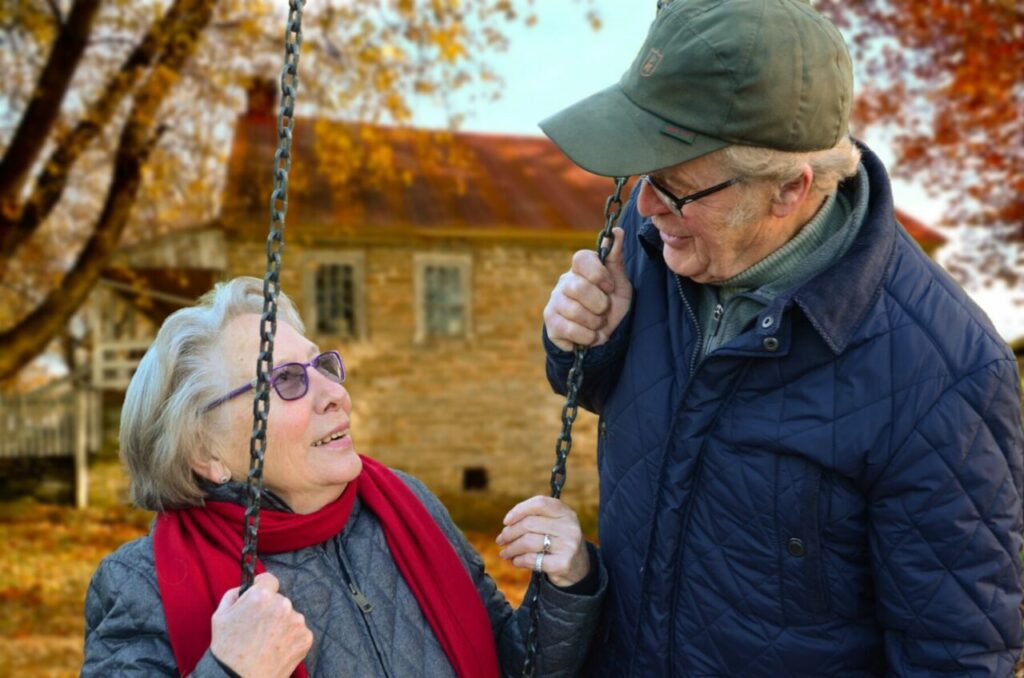 Humor offers numerous health benefits to seniors. Laughter, in fact, for both caregivers and clients can have a profound effect on their quality of life. There are many reasons why laughter can be the best medicine!
Let’s start with the obvious: laughing creates a positive atmosphere. It also does wonders for improving our mood and making us feel positive. Spending some time watching a funny movie, joking around with a friend, or even reading the Sunday comics can do wonders for mental health—especially when you share a laugh with a friend, relative, or caregiver!
Here are some other health benefits that laughter offers individuals in need of professional homecare services:
1.) Laughing helps to relax the body, relieving tension in certain muscles.
2.) Levels of the stress hormone cortisol drop when we experience a deep laugh. And when these levels drop, it can help to minimize pain and inflammation in the body.
3.) Laughter releases endorphins, which are substances that naturally make you feel happy and can also reduce feelings of pain.
4.) Due to an increase in heart rate, oxygen intake, and improved circulation, laughing can also help to reduce blood pressure.
5.) The immune system can also be stimulated by laughter, so getting a small immune boost can be as simple as finding something to laugh about every day.
At Best Home Care, we specialize in finding the best home nurses, personal care assistants, and other home caregivers for those in need of support. In addition, we also provide tips and important information that can help improve an individual’s quality of life as well as improve professional homecare services. While this blog post focuses mainly on humor's health benefits for seniors, it’s important to remember that laughter is not only essential for maintaining good health, but it's also necessary for achieving genuine happiness and well-being, regardless of your age group.
For more information on how laughter is beneficial to both the mind and body, feel free to send us an email at info@besthomecaremn.com. And for more information on how to find quality senior homecare, pediatric homecare, and homecare for individuals living with a disability, be sure to visit our website for a complete list of our services.